
Discover Iran’s Wildlife

The Civilization of Urartu
August 28, 2020
Lorestan
September 6, 2020
From the forests of the Caspian region and the wetlands of southern Iran to the vast deserts of the central plateau, Iran is home to an extraordinary variety of landscapes and wildlife. This guide introduces some of the country’s most remarkable national parks, protected areas and wildlife reserves for nature lovers, photographers and curious travelers.
Iran’s geographical diversity has created habitats ranging from humid forests and alpine mountains to salt lakes, deserts, islands and coastal wetlands. These contrasting ecosystems support a surprising variety of mammals, birds, reptiles and plant species. Among the country’s most iconic animals are the Asiatic cheetah, Persian leopard, Persian fallow deer, goitered gazelle and numerous migratory birds.
Wildlife sightings are never guaranteed, particularly for rare and endangered species. However, visiting protected landscapes with knowledgeable local guides offers a deeper understanding of Iran’s ecosystems and conservation efforts.
One of the most famous wildlife species in Iran is the world’s last surviving critically endangered Asiatic cheetah, also known as the Iranian cheetah, which is found nowhere else but in Iran today.
Why Iran Is a Remarkable Wildlife Destination
Iran’s geographical diversity has created habitats ranging from humid forests and alpine mountains to salt lakes, deserts, islands and coastal wetlands. These contrasting ecosystems support a surprising variety of mammals, birds, reptiles and plant species. Among the country’s most iconic animals are the Asiatic cheetah, Persian leopard, Persian fallow deer, goitered gazelle and numerous migratory birds.
Wildlife sightings are never guaranteed, particularly for rare and endangered species. However, visiting protected landscapes with knowledgeable local guides offers a deeper understanding of Iran’s ecosystems and conservation efforts.
Best Wildlife Destinations in Iran
Golestan National Park
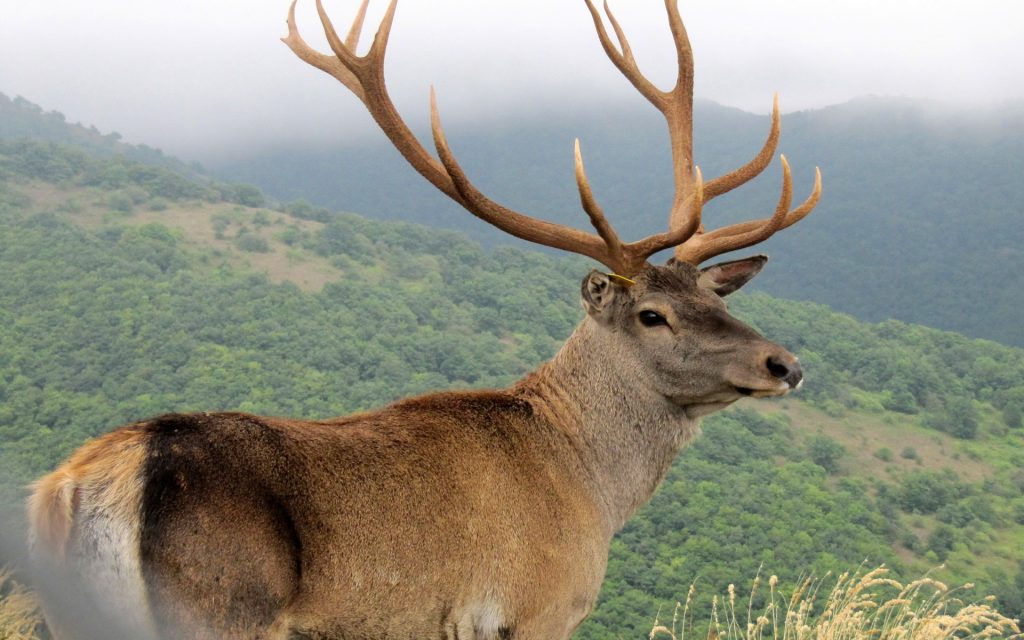
Located in northeastern Iran, Golestan National Park is one of the country’s oldest and most diverse protected areas. Forests, mountain slopes, grasslands and semi-arid landscapes meet within the park, creating habitats for a wide range of wildlife.
Wildlife highlights: Persian leopard, wild boar, red deer, roe deer, urial and numerous bird species.
Best time to visit: Spring and early autumn.
Travel note: Wildlife observation is most rewarding in quieter areas and should be arranged with an experienced local guide.
Touran Biosphere Reserve
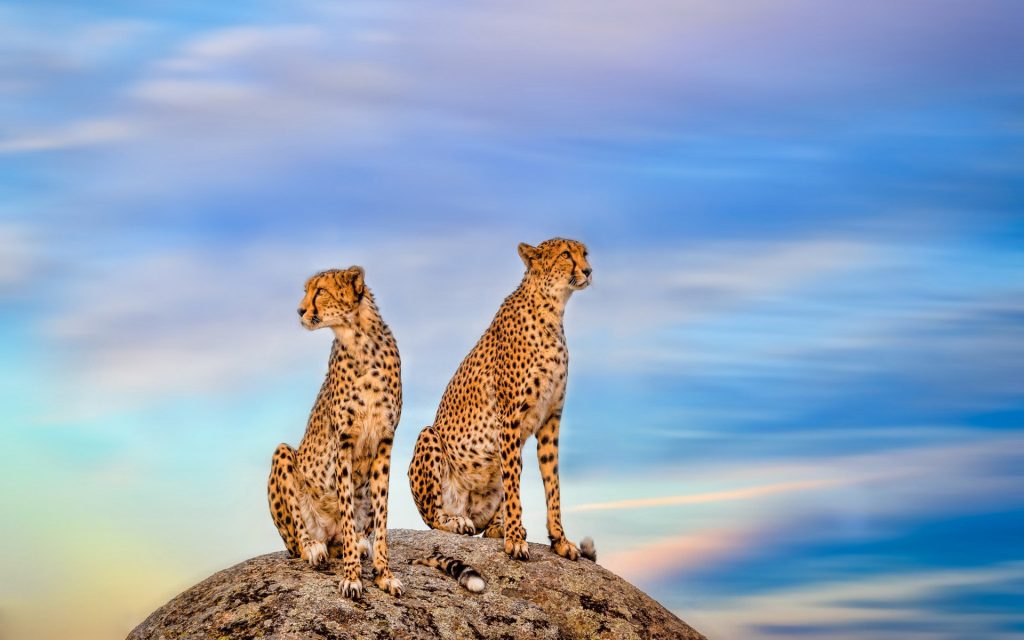
Touran Biosphere Reserve lies within the arid landscapes of Semnan Province and is one of Iran’s most important desert ecosystems. It is widely associated with conservation efforts to protect the critically endangered Asiatic cheetah.
Wildlife highlights: Asiatic cheetah habitat, Persian onager, gazelle, wild sheep and desert birdlife.
Best time to visit: Autumn through early spring.
Travel note: Access to sensitive zones may be restricted, and visitors should not expect guaranteed cheetah sightings.
Arasbaran
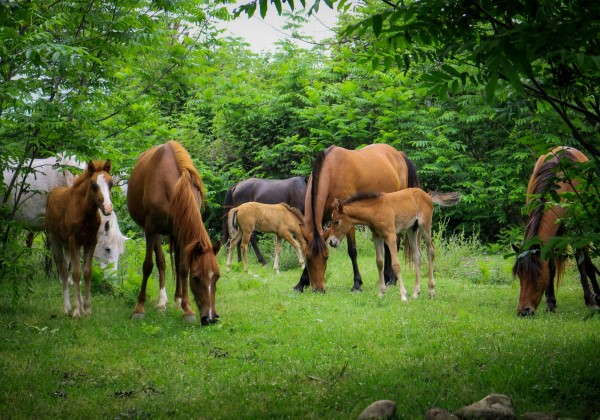
Arasbaran, in northwestern Iran, is known for its forested mountains, green valleys and remarkable biodiversity. It is especially appealing to travelers interested in hiking, landscapes and birdlife.
Wildlife highlights: Wild goats, brown bears, wild boar, forest birds and birds of prey.
Best time to visit: Late spring through early autumn.
Travel note: The area combines wildlife interest with rural villages and scenic mountain journeys.
Kavir National Park
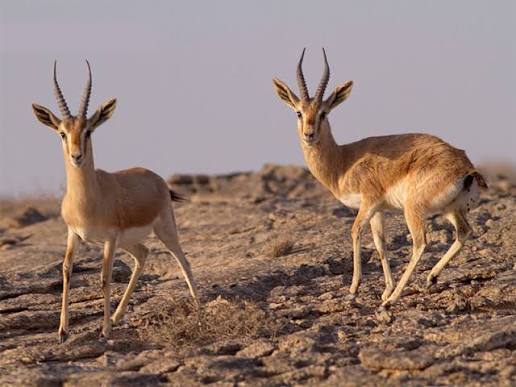
South of Tehran, Kavir National Park protects a vast landscape of desert plains, salt flats and rugged hills. Its remote scenery offers a very different image of Iran from the country’s cities and historical monuments.
Wildlife highlights: Gazelles, wild sheep, desert foxes, reptiles and birds of prey.
Best time to visit: Autumn, winter and early spring.
Travel note: Desert travel requires suitable vehicles, careful planning and local authorization where applicable.
Choose a Wildlife Experience That Matches Your Interests
For Birdwatching :
Miankaleh Wildlife Refuge, Anzali Wetland and the coastal wetlands of southern Iran.
For Desert Landscapes :
Touran Biosphere Reserve, Kavir National Park and Naybandan Wildlife Refuge.
For Forests and Mountains:
Golestan National Park, Arasbaran and Dena Protected Area.
For Photography:
Wetlands during migration season, mountain landscapes in spring and desert scenery during the cooler months.
Explore Iran’s Wildlife Map
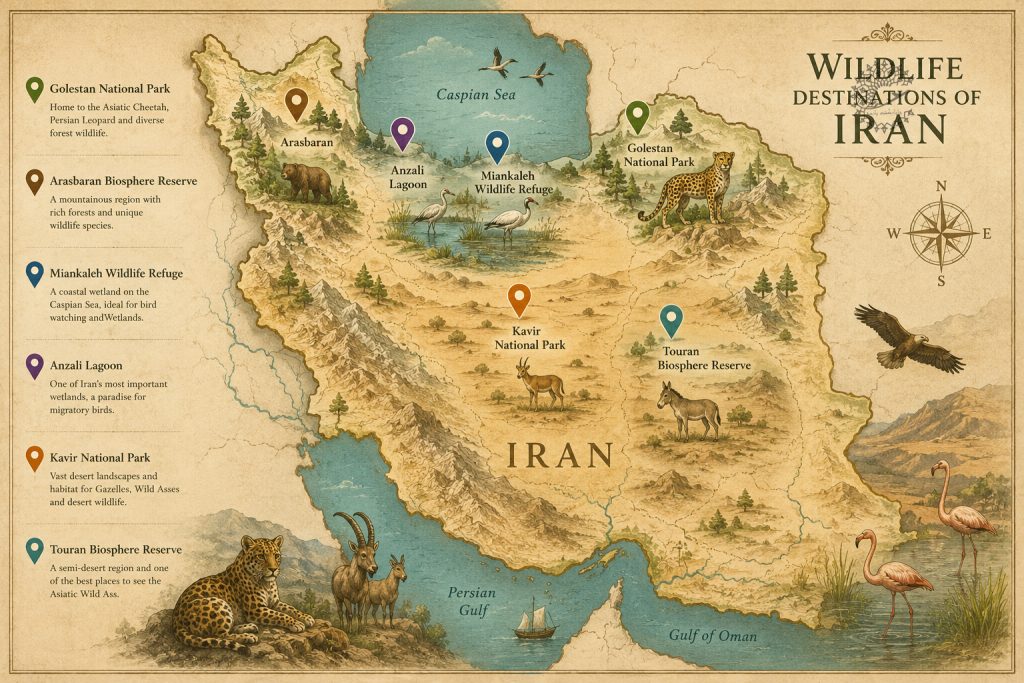
Ready to Explore Iran’s Wildlife?
Responsible Wildlife Travel in Iran : Responsible wildlife travel protects fragile habitats and improves the experience for future visitors. Travelers should remain on permitted routes, avoid feeding or approaching animals, keep noise to a minimum and follow the instructions of park authorities and local guides. Photography should never disturb wildlife, particularly during nesting and breeding seasons.
Iran is home to species such as the Persian leopard, Asiatic cheetah, Persian onager, wild sheep, gazelles, brown bears and a wide variety of resident and migratory birds.
The Asiatic cheetah is extremely rare and critically endangered. Sightings cannot be expected or guaranteed, although some protected desert areas are important parts of its remaining habitat.
Spring and autumn suit many regions, while winter is often best for desert travel and migratory birdwatching. High mountain areas are more accessible during late spring and summer.
Access rules vary. Some protected areas require permits, official coordination or an authorized local guide, especially in environmentally sensitive zones.
No. Wildlife observation depends on season, weather, animal behavior and local conditions. Ethical wildlife travel never guarantees sightings of rare species.
Yes. Nature experiences can be combined with historical cities, rural villages, desert routes or Caspian-region journeys in a tailor-made itinerary.
Iran offers excellent landscape, bird and nature photography opportunities, but travelers should use suitable equipment and respect all conservation and access rules.